
explore
Ongoing projects
CFA
Ongoing projects within the Climate
Finance Academy
Below you can find a description of the ongoing projects within the Climate Finance Academy.

MSc
Daan van Ederen
Enhance the knowledge of natural catastrophes induced financial risks
Economic losses from natural disasters have been increasing in recent decades due to a continued increase in economic exposure and climate change. Consequently, identifying, measuring and managing these climate related risks for non-life insurance products, mortgages and tradable securities has become increasingly more important. Through a collaboration with the IVM, Achmea aspires to enhance the knowledge of natural catastrophes induced financial risks and communicate the acquired insights to all relevant stakeholders.

MSc
Guillermo García Álvarez
Effectiveness and efficiency of nature based solutions in mitigating climate risks
This project aims to evaluate the effectiveness and efficiency of nature based solutions in mitigating climate risks. It also has the objective of collaboratively designing financing schemes tailored for both public and private sectors. There is a critical gap in current risk assessment practices, as they often overlook cobenefits and catastrophe models may not properly account for NBS risk reduction potential in different climate change scenarios. Additionally, understanding who the beneficiaries are is also a key factor when it comes to designing financing schemes.

MSc
María Fonseca Cerda
Assessing wind and hail risk and adaptation for real estate investments in The Netherlands
Extreme weather events like hail and windstorms have significant societal impacts and damages, which are projected to worsen due to climate change and population growth. Therefore, it is crucial to address the interaction between climate change, environmental risks, urban changes, and adaptation measures.
This research aims to evaluate wind and hailstorm risk in the Netherlands, both current and future risk, and to assess the cost effectiveness and feasibility of potential adaptation measures to reduce this risk.

MSc
Michiel Ingels
Assessing the feasibility of climate risk insurance under different climate change and socio economic scenarios, with an emphasis on insurance for the commercial sector and indirect damages associated with climate risk.
Furthermore, the first part of my introduction can be extended with my project like this:
PhD candidate at the Institute for Environmental Studies (IVM) at the ACCREU project.

MSc
Ruud Sperna Weiland
Drought risks for Western Europe: Dynamics of the jetstream
Climate change increases the risks of droughts but the uncertainties are large.
To reduce these uncertainties and develop effective early warning systems, improved insights into the dynamics of the atmosphere are needed. As a major player in the agricultural sector, Rabobank works together with IVM and KNMI to push this field of climate science to better prepare farmers, financial institutes and society at large, for drought related impacts.

MSc
Thijs Endendijk
Direct and Indirect flood impacts on Real Estate
Financial institutions are obligated to disclose the physical climate risks associated with their investments in real estate. However, current physical climate risk assessments often lack transparency and do not reflect indirect risk through investments. This project combines both physical climate risk and investment risks. It evaluates the direct impact of flooding on real estate properties, while also considering how these events affect investments through assets or mortgages.

MSc
Vylon Ooms
External PhD candidate at the Institute for Environmental Studies (IVM) and Policy Advisor Climate Change at the Dutch Association of Insurers (Verbond van Verzekeraars).
Assessment of how insurers can incentivize climate risk reduction actions of their policy holders. Linking climate adaptation to insurance.

MSc
Abimael Candraditya
Individual preparedness under multi-hazard climate risks
Households and businesses are increasingly vulnerable to multiple climate risks, such as combinations of wind- and hailstorms, extreme precipitation, heat, and flooding. However, many individuals fail to adopt cost-effective adaptation measures to address these risks, namely through purchasing insurance, disaster-proofing assets, or relocating to safer areas.
The research project studies the observed lack of adaptation behaviour in a multi-hazard setting, focusing on the dynamics of adaptation decisions, interactions among its drivers, and emergency preparedness response under disaster threat. A deeper understanding of this area enhances traditional risk assessment methods for insurance and guides policy interventions that stimulate risk reduction behaviour.
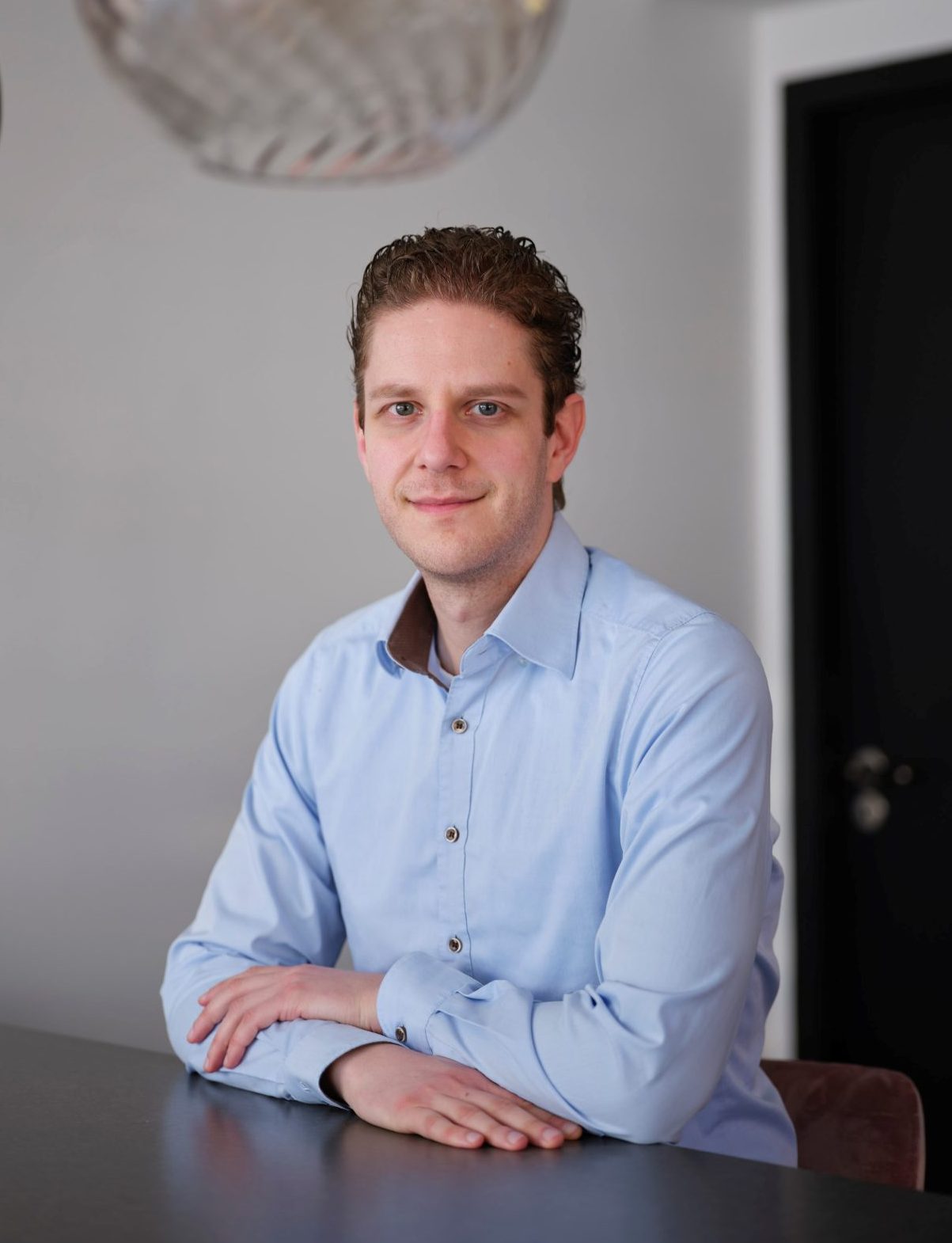
MSc
Alex de Vries
Environmental impact of emerging technologies
Emerging technologies such as blockchain, cryptocurrencies and artificial intelligence generate a lot of hype and fear-of-missing-out, but besides new possibilities these technologies also introduce new challenges for society and the environment. This project is aimed at identifying and quantifying the (potential) environmental impact of emerging technologies, while exploring pathways to mitigate this impact.
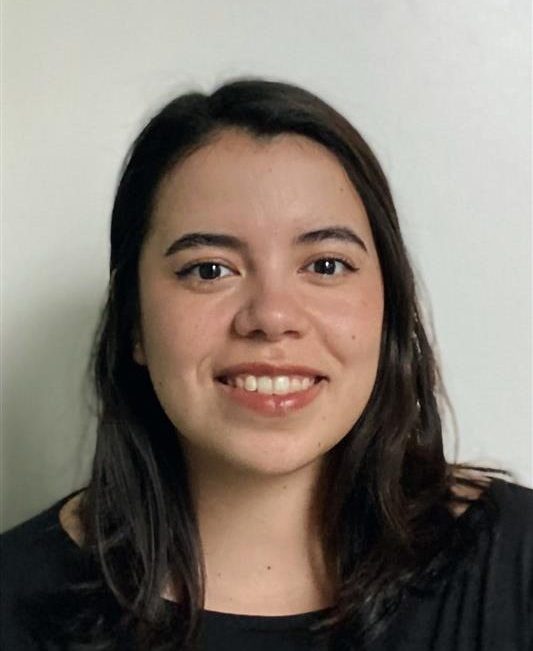
MSc
Carolina Ferman Carral
Behavior Dynamics in Climate Risk Insurance: An Agent-based Model for Multi-Hazard Adaptation Strategies
Climate change is increasing the frequency and intensity of disasters, while also raising the likelihood of simultaneous events, amplifying the resulting impacts. This research aims to develop a local-scale Agent-Based Model for the insurance market, which will later be upscaled to the EU level to simulate multi-hazard risks and interactions among households, businesses, governments, and insurers. The goal is to understand how to design better insurance solutions and policies in the face of the climate crisis.
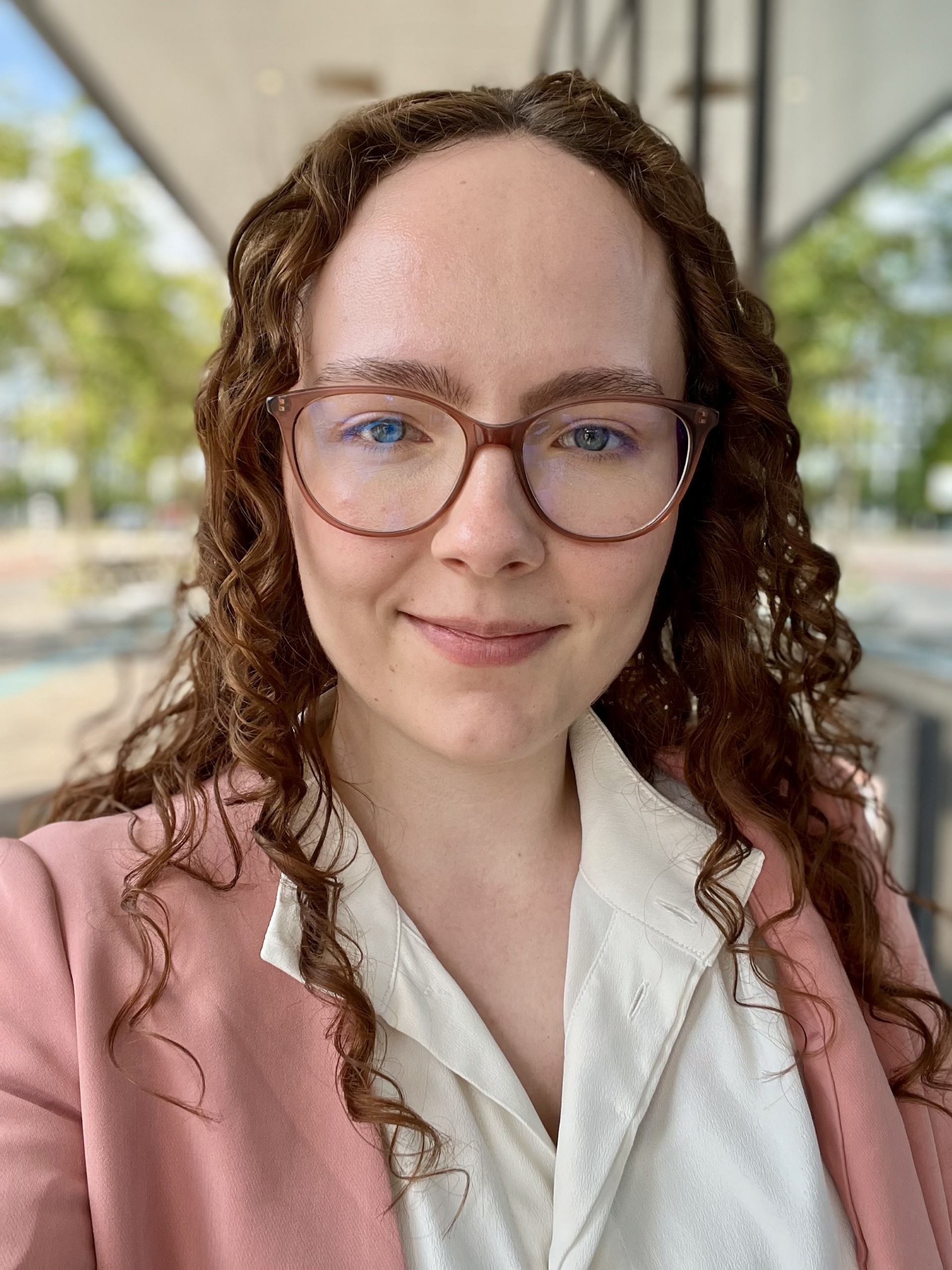
MSc
Patricia von Mellenthin
Enhancing individual disaster preparedness behaviors under multi-hazard climate risk in EU countries.
The risks associated with natural hazards and particularly multiple hazards are increasing due to more frequent and severe weather events, such as floods, heatwaves, and droughts. These risks include human casualties, high economic damages, and negative health impacts. Individual adaptation can mitigate these risks, but current adaptation levels are low. Therefore, the interaction between multi-hazard risk and individual adaptation needs to be addressed.
The objective of this research is to experimentally evaluate different behavioural and economic interventions to increase individual preparedness for multi-hazard risks in the Netherlands and further EU countries.
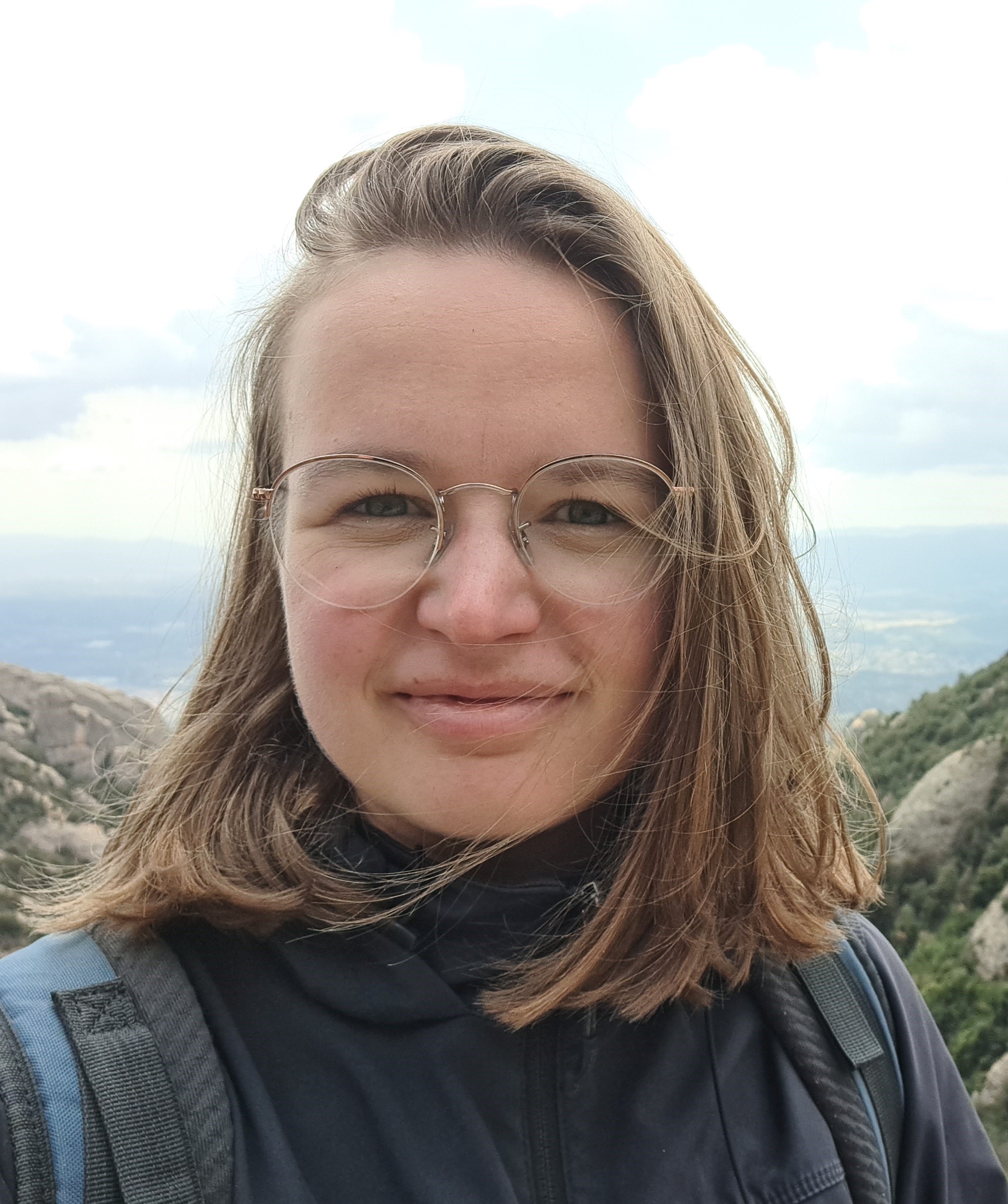
MSc
Marjolein Ribberink
STORM-EX: Synthetic modelling of cyclones through the tropical-to-post-tropical transition
Post-tropical cyclones are a subset of tropical cyclones that leave the tropics and transform to resemble extratropical cyclones. These cyclones can impact areas outside typical tropical cyclone extent with high winds and copious amounts of precipitation, but due to their relative rarity the data on these storms is somewhat scarce, making risk assessments difficult.
The aim of this project is to build STORM-EX, a model capable of generating a global dataset of transitioning storms to overcome this paucity of data. This statistical model would allow us to calculate characteristics such as return period, allowing better-informed policy decisions and risk mitigation.
CLIMATE FINANCE ACADEMY
Questions?
Contact cfa@vu.nl to get more information about
the network or use the button below


